Barn & Agricultural Electrical in Spring Hill: What the Work Involves
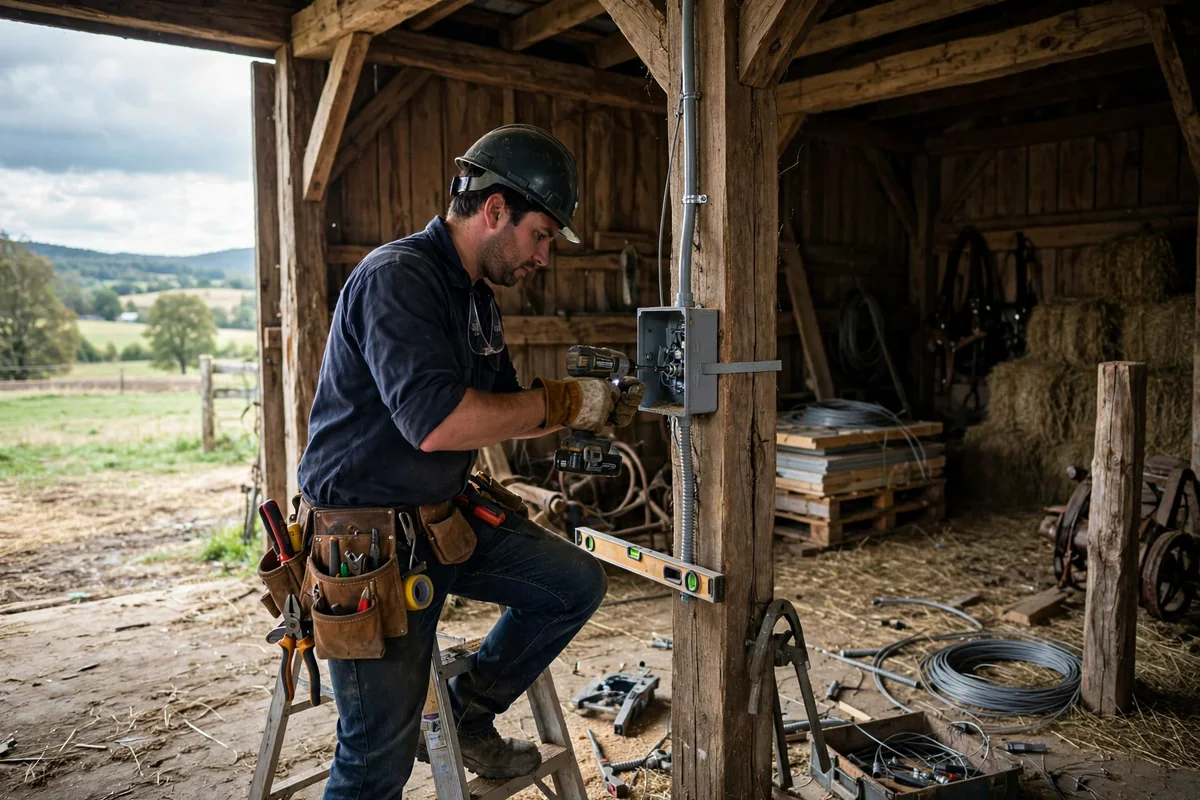
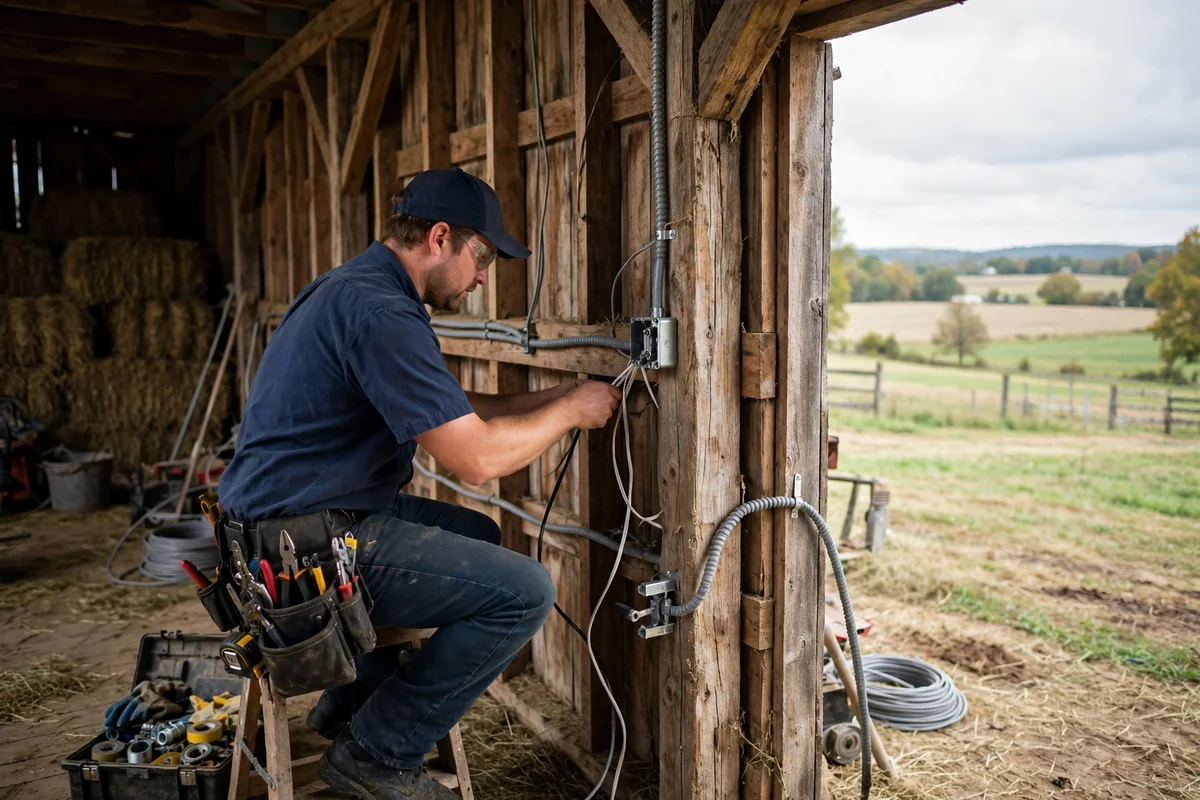
Spring Hill calls for barn & agricultural electrical rarely start with the service name; they start with a symptom that kept repeating. The work behind the symptom is electrical work for the working acreage inside and around Spring Hill: barn wiring in conduit that survives dust, ammonia and animals, well and pump circuits that hold up their end of the farm, outbuilding feeders, and the stray-voltage and corrosion faults that rural systems specialize in. Our coverage runs all of 37174, including properties out toward Kedron Road and the rural edges, and acreage homes on the Maury County side run wells, barns and long overhead feeds that city-subdivision homes never deal with. That mix shapes the work: Spring Hill has grown from a small town into one of Tennessee's fastest-growing cities, and its housing stock is young, heavily loaded and still expanding on both sides of the Williamson-Maury county line.
Spring Hill's oldest service calls come from the farm-era homes along Main Street and Kedron Road, where the wiring predates the subdivisions by half a century.
When Spring Hill Homeowners Call About Barn & Agricultural Electrical
- Barn outlets die every wet season and nobody knows which fault is first
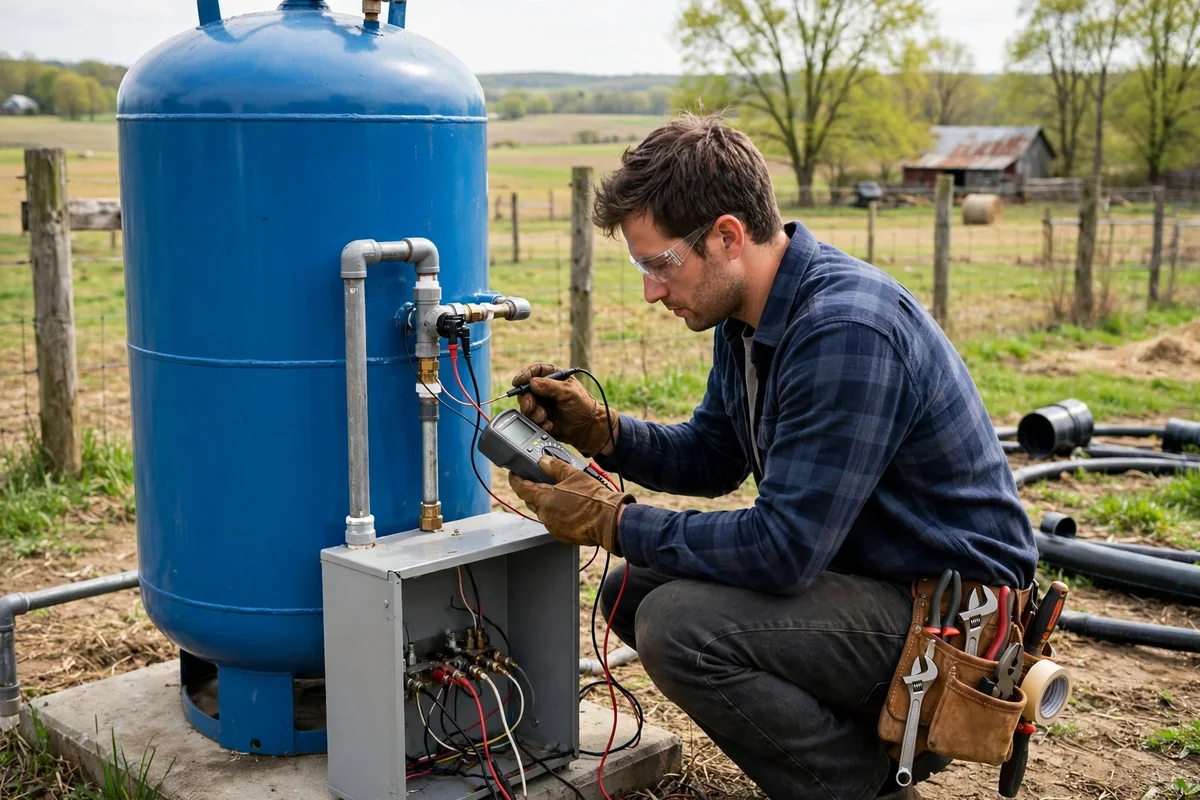
- The well pump's breaker trips on the coldest mornings
- Chewed cable keeps appearing on the same barn beam
- Tank heaters trip their protection exactly when the troughs freeze
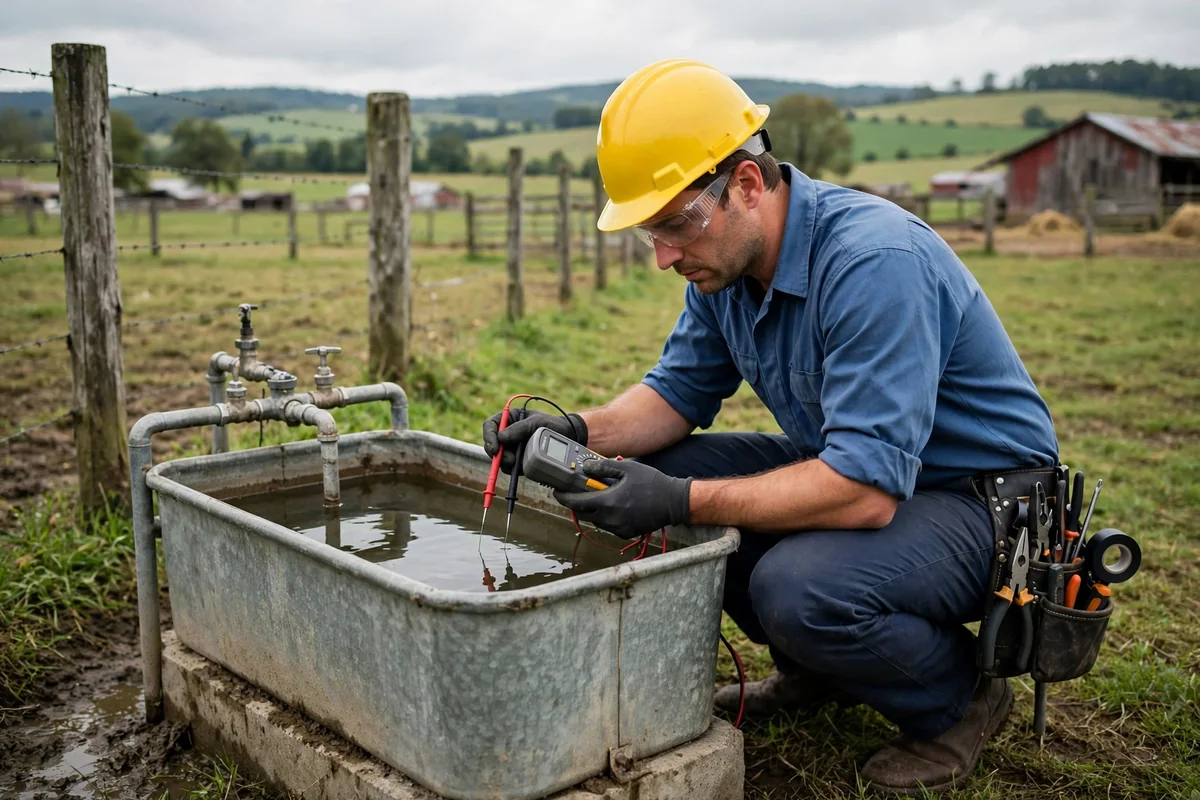
- Cattle are fussy at the waterer and the vet has ruled out the water
- A new barn or shed needs power designed before the concrete cures
Treat the list as triage: mild and occasional can be scheduled, frequent or worsening should not wait, and anything hot or smelling of burning gets the 24/7 number. The common electrical problems guide sorts the everyday symptoms into safe-to-watch and call-today.
How We Track Down the Cause
Farm diagnosis starts with a walk, because the system is the property: we trace feeders from the house or service to each structure, note where cable was used where conduit belongs, check bonding at waterers and stalls, and test pump circuits through a full pressure cycle. Rodent damage, moisture ingress and fifty years of farm-logic repairs all leave readable evidence; the walk reads it before any quote is written.
Safety order never changes: the circuit is isolated and proven dead before hands go in, and nothing is re-energized until the new work has been tested.
The Spring Hill Call Pattern
Agricultural calls ring the city the subdivisions have not reached: horse barns off Kedron Road, cattle and equipment sheds on the Maury side, wells under pressure tanks in pumphouses older than the roads serving them. The seasons write the schedule: tank heaters and frozen-pipe circuits in January, fans and fly control in July, and rodent damage keeping its own year-round calendar. Every visit starts with the walk, because on a farm the electrical system is a map of the whole operation.