Smart Home Wiring: What This Service Covers
For homes around neighborhoods around J. Travis Price Park, smart home wiring is a regular part of our week. At its core the service is the wiring behind smart home devices: smart switches and dimmers installed correctly, neutral wires added to switch boxes that lack them, smart panel and energy-monitor wiring, hardwired smart lighting circuits, and replacement of failed smart devices, so automation rests on sound electrical work instead of workarounds. Springfield-wide, established streets near the park include many mid-century homes where panel capacity and grounded outlets are common concerns, which is why the local details matter as much as the technical ones. The setting matters. Springfield's creek bottoms stay damp, its ridges catch storm winds first, and its housing ranges from 1920s cottages to subdivisions still under construction, sometimes on the same street.
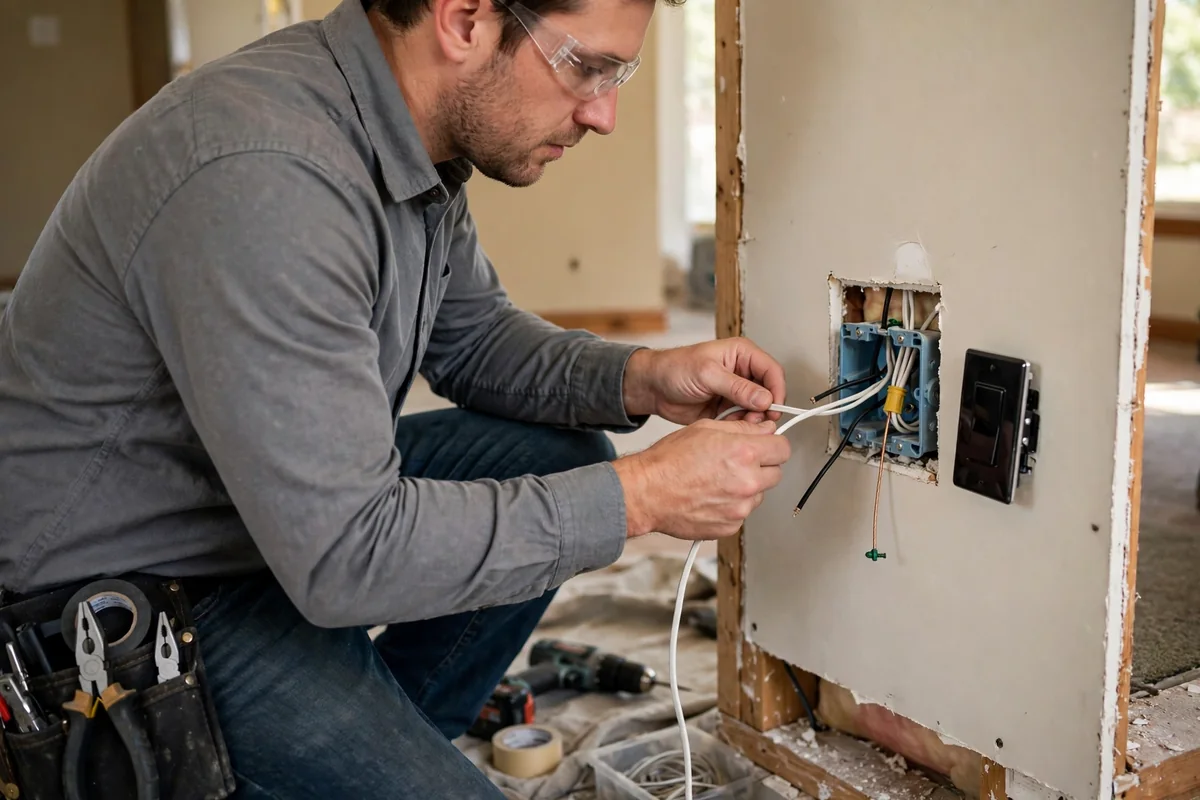
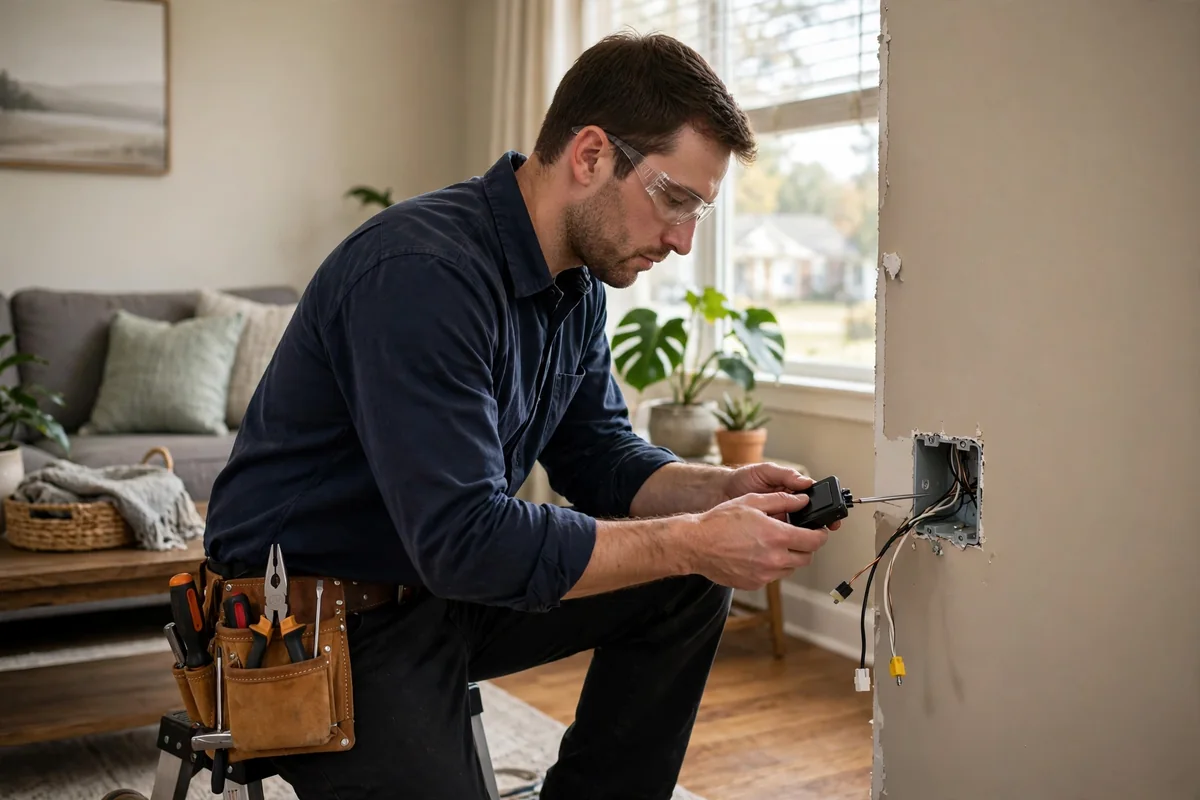
Smart devices fail for electrical reasons more often than electronic ones. We open the switch box and read what is actually there: whether a neutral exists, how the three-way travelers run, box fill, and whether the load type matches the dimmer's rating. Then the device choice follows the wiring reality instead of the shopping cart.
Signs You Need Smart Home Wiring
- Smart switch will not fit or work: no neutral in the box
- Lights flicker or buzz after a DIY smart dimmer install
- Smart switch died after a storm or keeps dropping offline
- Three-way smart switching works from one end only
- You want whole-home lighting control without battery gadgets
- Old switches are shallow, crowded or wired in ways manuals warn about
Treat the list as a triage tool. Mild and occasional points toward booking ahead; frequent, worsening or hot points toward calling now rather than monitoring. Our guide to common electrical problems explains which symptoms can wait and which cannot.
How We Diagnose It
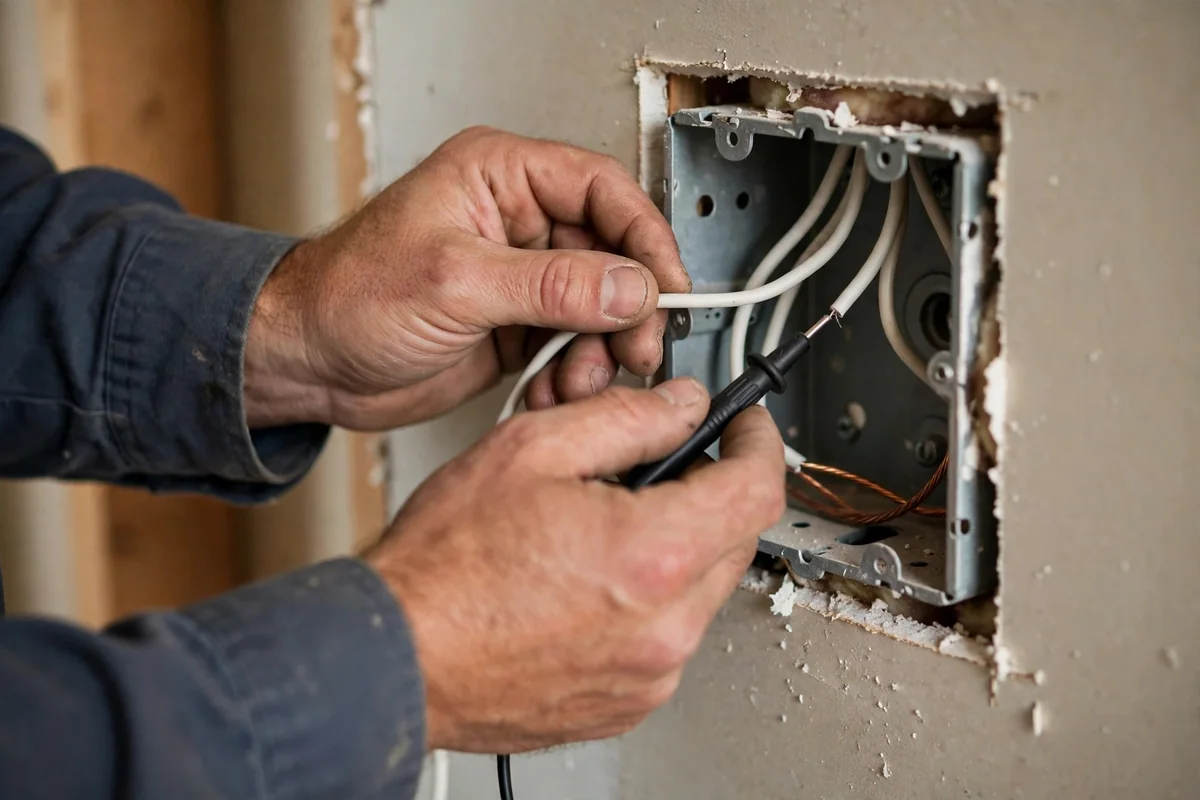
Smart devices fail for electrical reasons more often than electronic ones. We open the switch box and read what is actually there: whether a neutral exists, how the three-way travelers run, box fill, and whether the load type matches the dimmer's rating. Then the device choice follows the wiring reality instead of the shopping cart.
We finish every diagnosis the same way: findings first, options second, price third. The smart home wiring work itself only begins once you have said yes to a number you have seen.
The Springfield Call Pattern
The call usually starts with a Saturday project that stalled: a smart dimmer in hand, a switch box open, and two wires where the instructions promise three. Springfield's pre-2011 housing stock supplies most of these, with The Square's older homes adding shallow boxes to the puzzle. The fix ranges from a neutral run to a device chosen for the wiring that exists.